

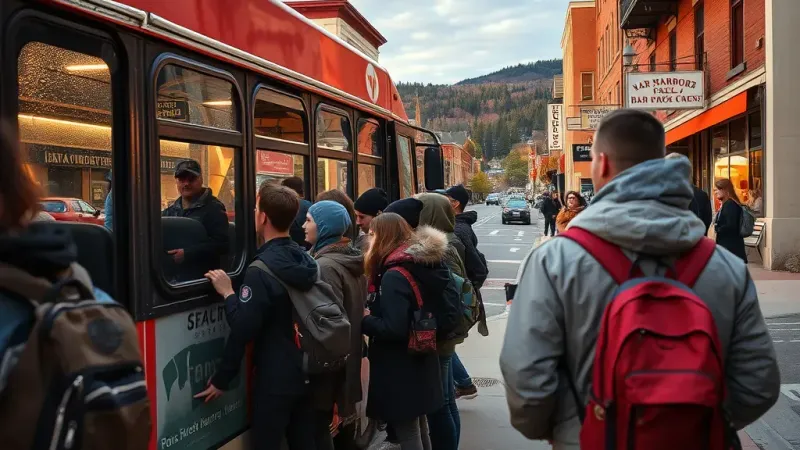
WorldAtlas reported on various public transportation systems operating across different towns, counties, and university areas, highlighting networks such as the one found in Bar Harbor. In Bar Harbor, the Island Explorer system provides seasonal public transportation. This seasonal transit infrastructure is part of a wider array of public transportation solutions that different regions and academic institutions have implemented to manage local mobility, visitor influxes, and community travel needs.
Across the country, municipalities and institutions have established distinct transit models to address their unique local conditions. In Breckenridge, the Breck Free Ride system was established specifically due to high season traffic. The creation of the Breck Free Ride system helped the area manage the congestion and logistical challenges that accompany high season traffic peaks.
Other municipalities have focused on fare structures to keep public transit accessible. The City of Commerce operates the City of Commerce Municipal Transit, which has operated without fares since nineteen sixty-two. By maintaining this structure, the City of Commerce Municipal Transit has provided fare-free mobility options for decades within its jurisdiction. Similarly, in Boone, AppalCART provides fare-free transportation, ensuring that riders can utilize the AppalCART network without paying a fare to travel throughout the community.
Academic institutions and regional transit providers have also developed targeted services. At Clemson University, Clemson Area Transit launched in nineteen ninety-six with university-loaned buses. The rollout of Clemson Area Transit allowed the university and surrounding areas to benefit from a new transit option utilizing buses loaned directly by the university during its launch phase.
In McDonough County, McDonough County Public Transportation operates Go West Transit. The Go West Transit system serves Western Illinois University students as well as Macomb area residents, connecting the student body and local residents within the region through a coordinated public transportation framework.
Additionally, operational fleets vary widely in their makeup. The Park City Transit network uses an electric and biodiesel fleet to provide its services. By integrating these specific power sources into its operations, the Park City Transit network maintains public transportation capabilities utilizing an electric and biodiesel fleet configuration.